

Thermal Transfer Film vs. Melamine Paper: Choosing the Right Surface Solution
In the world of surface decoration for architecture and furniture, achieving a realistic wood grain or stone look is essential. However, clients often confuse the technologies used to achieve these finishes. The two most common yet distinct methods are Thermal Transfer Film (Sublimation) and Melamine Decorative Paper.
While they may look similar in the final product, their application processes, suitable substrates, and performance environments are vastly different. Understanding these differences is crucial for manufacturers and designers to ensure the longevity and quality of their projects. This guide breaks down the core distinctions.
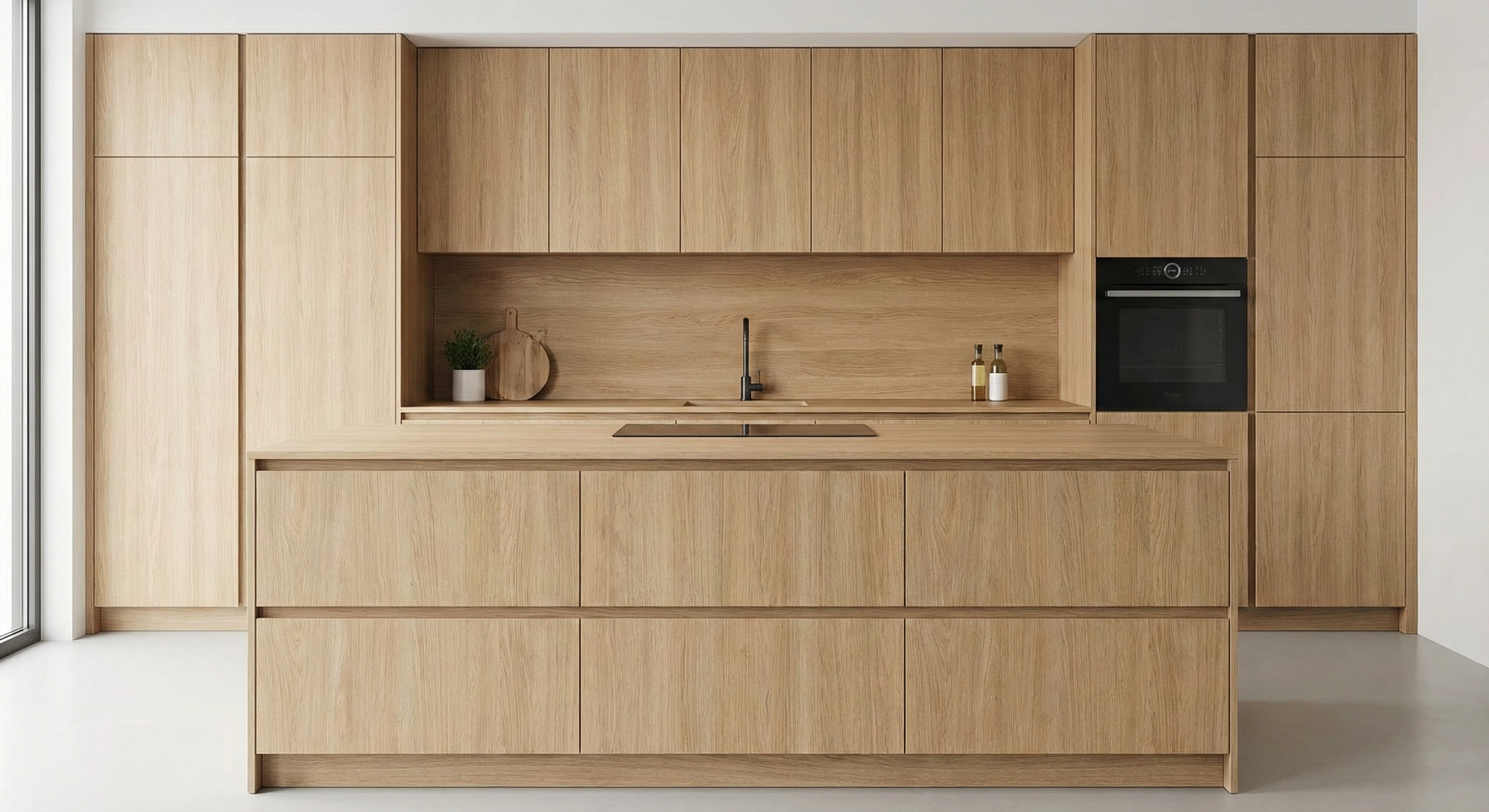
1. Melamine Decorative Paper: The Standard for Flat Panels
Melamine decorative paper is a printed paper impregnated with melamine resin. It is primarily designed for lamination onto wood-based panels.
- The Process: The paper is bonded to substrates like MDF (Medium Density Fiberboard) or particle board using high heat and low pressure in a flat press machine.
- Ideally Suited For: Flat surfaces. It is the industry standard for indoor furniture, kitchen cabinets, wardrobes, and office desks.
- Key Characteristic: It provides a durable, scratch-resistant, and cost-effective finish for interior applications but is generally not suitable for complex 3D shapes or metal substrates.
2. Aluminum Thermal Transfer Film: The Solution for Metal Profiles
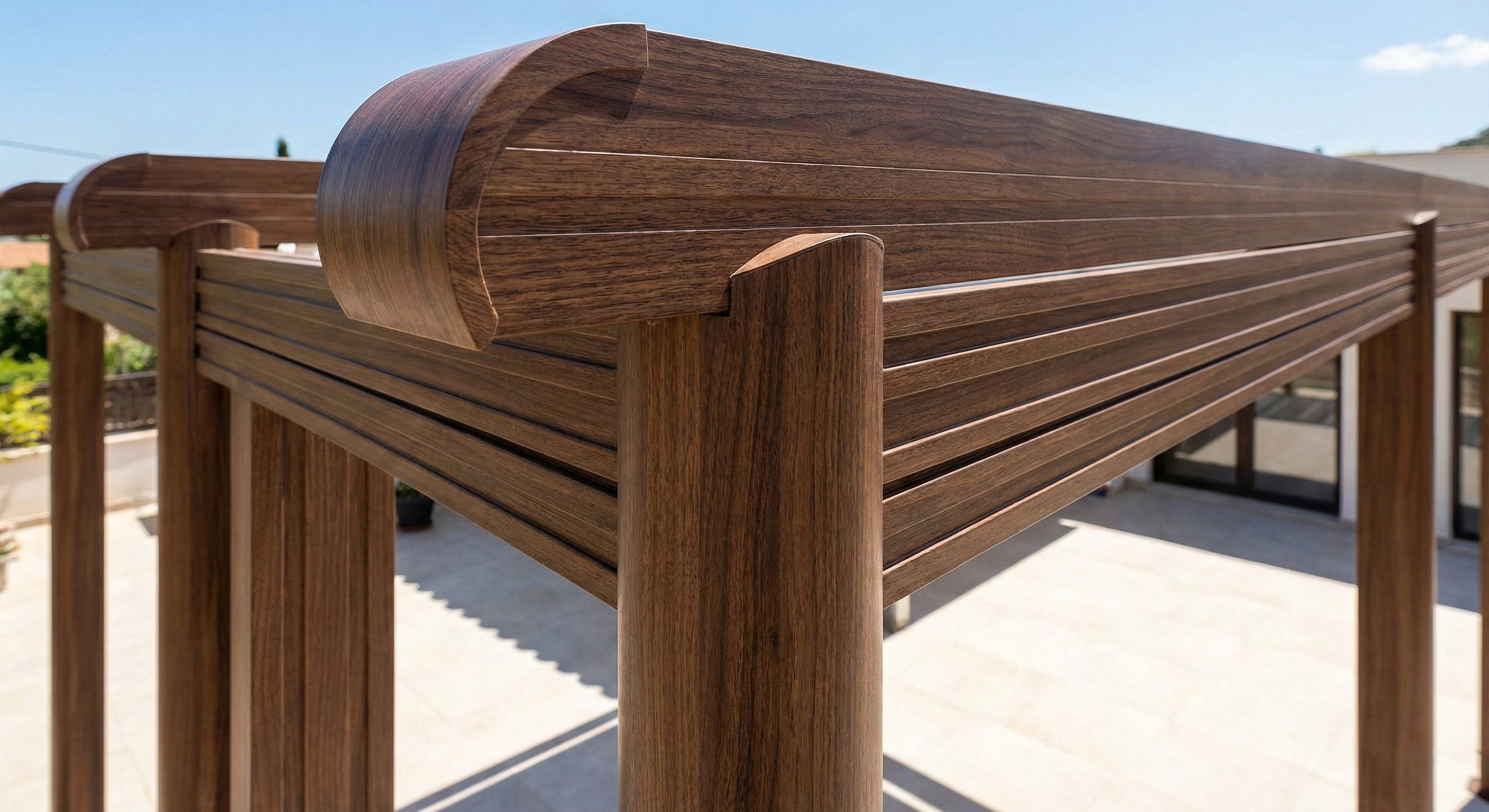
Thermal transfer film, often referred to as wood grain sublimation paper, is a technology developed specifically for decorating metals, particularly aluminum.
- The Process: The metal is first coated with a special powder coating. The film is wrapped around the object, and vacuum suction is applied. In a high-temperature oven (around 200°C), the ink on the film turns into gas (sublimates) and penetrates into the powder coating layer. The film is then removed, leaving the pattern embedded in the coating.
- Ideally Suited For: Aluminum profiles with irregular shapes, such as window frames, door sections, curtain walls, and aluminum pergolas.
- Key Characteristic: It perfectly covers complex 3D shapes. Crucially, when made with high-quality imported inks, it offers excellent weather resistance for exterior architectural use.
Summary: How to Choose?
The decision fundamentally comes down to your substrate material and the final environment of the product.
- Choose Melamine Paper if: You are working with wood-based panels (MDF, particle board) for flat, interior furniture applications and require a cost-effective, durable solution.
- Choose Thermal Transfer Film if: You are working with metal (primarily aluminum profiles), need to decorate complex 3D shapes, or require a finish that must withstand outdoor weather conditions.
By selecting the appropriate technology, manufacturers ensures not only the aesthetic quality of the finished product but also its performance and durability in its intended setting.